

Mission Vs. Ministry: Are We Getting It Backwards?
Mission vs. Ministry: Are We Getting It Backwards?
Have you ever had one of those weeks where life just throws something completely unexpected at you? That was us recently. We’ve been moving into an RV while building what we thought would be our “forever home,” and let me tell you—it’s been an adventure. Waking up to 400 cows licking your car? That’s a new one. And yes, we’re investing in a hot wire fence—just remember, don’t lick it!
But as I stood there that morning, surrounded by cows and chaos, I started thinking about life, about change, and about the church. Change is hard, isn’t it? We like things the way they’ve always been. But sometimes God uses change to teach us something deeper.
That’s exactly what we see in Acts 6. The early church was growing—multiplying!—and that’s exciting. But growth brought problems. There were two groups of Jewish believers: the traditional Hebrew Jews and the more modern, Greek-speaking Hellenistic Jews. They were all Christians now, but they had cultural differences, and before long, conflict broke out. People felt overlooked. Needs weren’t being met.
Sound familiar? The church today wrestles with the same thing—different backgrounds, preferences, and ideas about “how we’ve always done it.” So what did the apostles do? They didn’t ignore it, and they didn’t try to do everything themselves. Instead, they said:
“It would not be right for us to neglect the ministry of the Word of God in order to wait on tables… choose seven men from among you… full of the Spirit and wisdom.” (Acts 6:2-3)
Here’s what’s interesting: They weren’t saying serving was beneath them. Jesus Himself washed feet! They were saying, we all have a lane to run in. The apostles needed to focus on preaching and prayer, so they empowered others to step up and serve.
And did you notice who they picked? Seven Greek-speaking believers—people from the group that felt overlooked. Stephen and Philip are two names you’ll recognize. Stephen became the first Christian martyr. Philip helped spread the gospel across the Greek world. In other words, the very people who felt left out became key players in God’s mission.
So what does this mean for us? It means the mission—to seek and save the lost—is always the main thing. Ministry is how we do it. Women’s ministry, kids’ ministry, music ministry—those are tools, not the goal. If we ever make the ministry the focus instead of the mission, we’ve missed it. Ministry should never overshadow the mission.
And let’s get real—sometimes pride gets in the way. We want things our way. We make it about us. But Jesus said, “I came to serve.” Serving isn’t about recognition; it’s about love. Love for God first, and then for people.
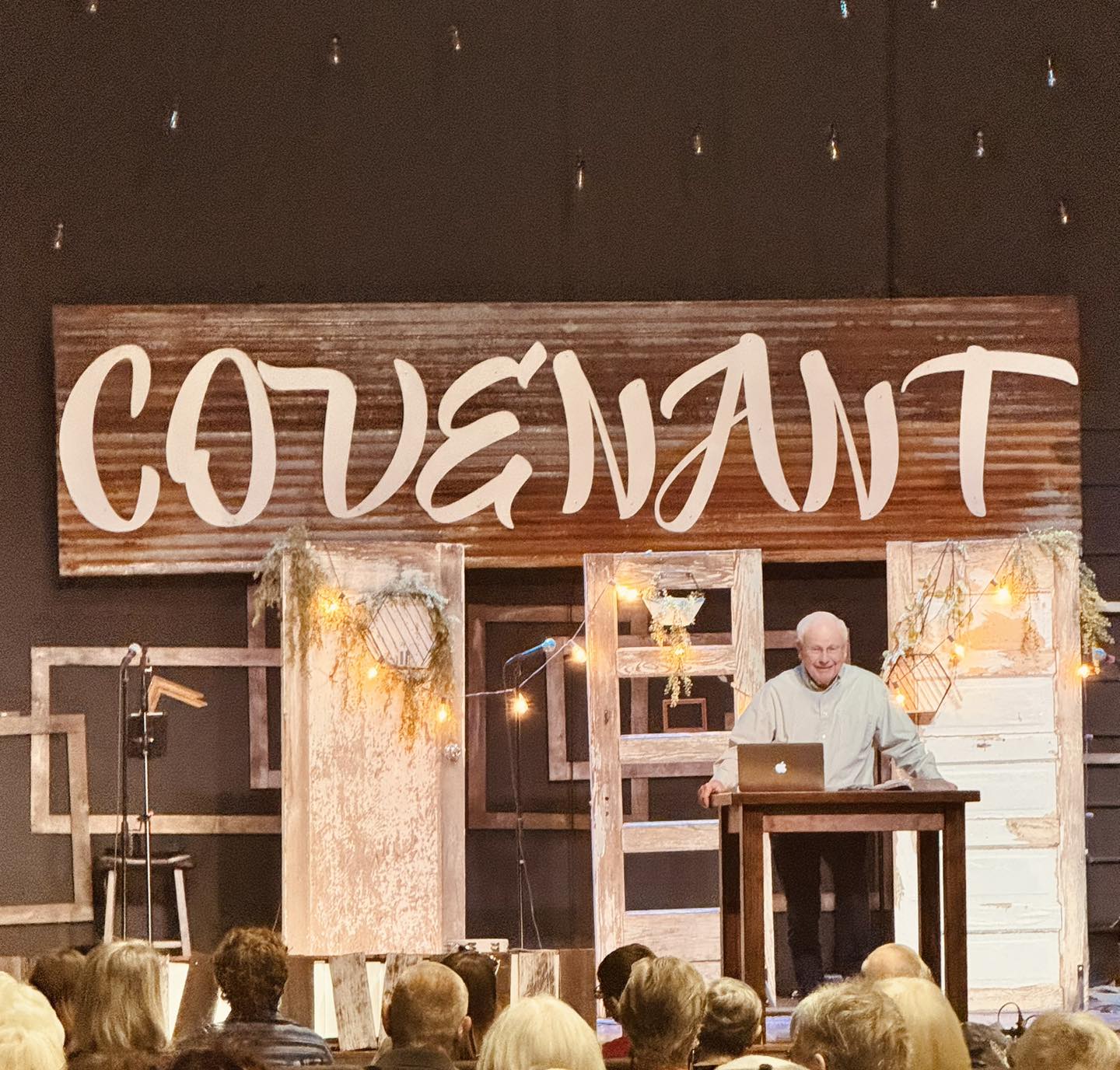
At Covenant, our mission is simple: reach the lost and make disciples. That means everyone’s welcome here. Our job isn’t to clean people up before they come in—it’s to love them, serve them, and point them to Jesus.
Here’s the question: Are you serving out of love for God, or for recognition? Are you holding on to pride, or are you willing to pick up a towel like Jesus and serve?
Because at the end of the day, this isn’t about us. It’s about Him. The cross is the center of it all. Everything we do flows from loving God with all our heart, soul, and mind—and then loving others.
So let’s keep the mission first. Let’s serve with humility. And let’s put our full weight on Jesus—not halfway, not with conditions, but fully trusting Him. Because that’s where transformation happens.
Grace and peace,
Dr. Steve Russell
Next Steps
Continue to explore the faith life of our church including our other ministries, upcoming events, and service opportunities.


Copyright 2026 Covenant Christian Church | Paris, TX
All Rights Reserved.